Universities compete on digital presence. That means reaching prospects, engaging current students, and building reputation.
Smart budgeting isn’t just about spending—it’s about directing money where it works. The digital landscape changes fast. Platforms shift, algorithms change, student behavior evolves. Staying competitive means moving budget quickly toward what’s working.
This guide covers the core budgeting decisions universities face in 2026. You’ll find practical tips on where to invest and rough budget ranges in Indian Rupees (INR).
-
Budgeting Starts with Clear Goals Your digital marketing budget should be a direct reflection of your institution’s strategic goals for 2026 and beyond. What specific outcomes are you aiming for? Are you focused on:
-
Increasing undergraduate applications by a certain percentage?
-
Boosting postgraduate admissions for specific high-priority programs?
-
Expanding enrollment in online or hybrid learning formats?
-
Enhancing brand awareness within a particular geographic region or demographic?
-
Improving student retention or alumni engagement through digital channels?
Clear, measurable goals guide budgeting. Without them, you can’t allocate funds effectively or measure success.
Build detailed student personas. Who are they? What are their interests, challenges, online habits? Where do they spend time? What information do they want? Know your audience, and you’ll choose better channels and craft messages that actually land.
Identify your institution’s unique value proposition (UVP). What makes you different from other educational institutions? Your budget should support highlighting these differentiators across your digital channels.
-
The Student Journey: Budgeting Across the Funnel Prospective students typically move through a journey or funnel before deciding to apply and enroll. Your digital marketing budget should reflect the importance of engaging students at each stage:
-
Awareness: Introduce your institution broadly through social media, display ads, and basic content. Cast a wide net to a relevant audience.
-
Consideration: Students now research options. Provide detailed information—program pages, tours, testimonials, blog posts. Use targeted ads and SEO.
-
Decision: Students are ready to apply. Guide the application process with clear CTAs, simple portals, email, chatbots, and retargeting.
-
Advocacy: After enrollment, turn students and alumni into advocates. User-generated content, spotlights, and community-building drive word-of-mouth for future enrollment.
Allocate your budget based on where you need the most impact and where your data shows the greatest opportunity for improvement. A new institution might allocate more heavily to Awareness, while an established institution with strong brand recognition might focus more on optimizing the consideration and decision stages to improve conversion rates.
- Data-Driven Decisions Intuition alone wastes budget. Data should drive every allocation. Invest in analytics tools and ensure your team can collect and interpret data effectively.
Essential metrics to track continuously include:
-
Website Traffic: Understand where your visitors are coming from (organic search, social media, paid ads, referrals) and how they navigate your site.
-
Lead Generation Volume: Monitor the number of inquiries, brochure downloads, application starts, and other key lead indicators.
-
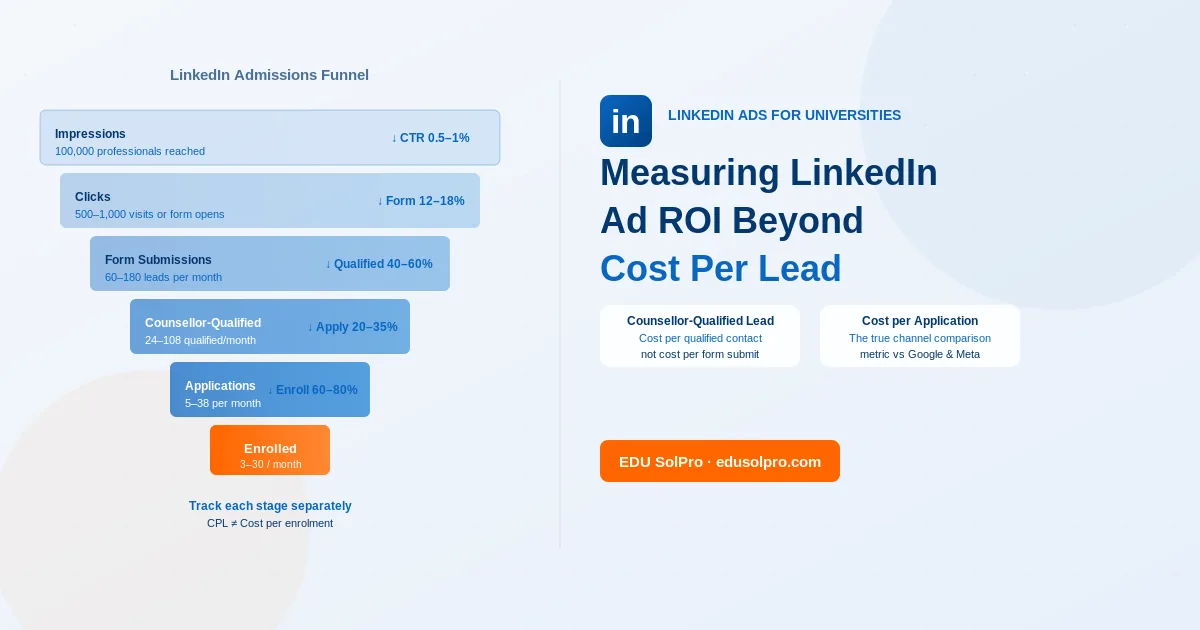
Conversion Rates: Measure how effectively your digital efforts convert visitors into leads, leads into applicants, and applicants into enrolled students at each stage of the funnel.
-
Cost Per Lead (CPL): Calculate the average cost to generate one lead through different channels.
-
Cost Per Acquisition (CPA): Track the average cost to enroll one student through each marketing channel. This shows you which channels give the best value.
-
Return on Investment (ROI): Measure the revenue generated (e.g., tuition fees from digitally acquired students) against the cost of your digital marketing efforts.
These metrics show which campaigns deliver the best cost-per-result. Allocate more to winners, less to underperformers. Adjust throughout the year based on data.
-
Strategic Investment in Key Digital Channels Focus on where your students actually are. For universities, the main channels are:
-
SEO: Getting Found on Google Most students start by searching online for programmes. SEO means your institution shows up when they do.
Budget allocation for SEO should cover:
-
Technical SEO: Ensuring your website’s technical foundation is sound – fast loading speed, mobile-friendliness, secure (HTTPS), and easily crawlable by search engines. This is foundational and requires ongoing maintenance.
-
On-Page SEO: Optimizing individual web pages, including content, meta descriptions, title tags, header tags, and internal linking, for relevant keywords and user intent.
-
Off-Page SEO: Building your institution’s authority and credibility online through strategies like acquiring high-quality backlinks from reputable education directories, news websites, and relevant blogs.
-
Local SEO: Essential if you target local students. Claim your Google Business Profile, collect reviews, and keep your name, address, phone number consistent across directories.
-
Content Optimization: Ensuring all your website content, including program pages, blog posts, and landing pages, is optimized for relevant keywords while remaining valuable and engaging for human readers.
-
Adapting to Search Evolution: Budget for understanding and optimizing for evolving search experiences like Google’s Search Generative Experience (SGE), which may require different content formats and optimization strategies.
-
Social Media Marketing Students spend hours on social media. Your presence builds awareness, shows campus life, engages prospects, and creates community.
Budget allocation for social media marketing for universities should consider:
-
Platform Strategy: Identifying and focusing on the platforms most relevant to your target demographic (e.g., Instagram and TikTok for younger students, LinkedIn for postgraduate and executive education programs, Facebook for parents and community engagement).
-
Content Creation: Developing a consistent stream of engaging content, including high-quality images, videos (especially short-form video), student testimonials, faculty spotlights, event promotions, and behind-the-scenes glimpses of campus life.
-
Social Media Management: Allocating resources for scheduling posts, monitoring conversations, responding to comments and messages promptly, and managing your online reputation.
-
Community Building: Actively engaging with your followers, running interactive Q&A sessions, and encouraging user-generated content to build a loyal online community.
-
Paid Advertising (PPC): Immediate Results PPC ads appear on Google and social media the moment you start. They work well for time-sensitive goals: promoting specific programmes, admission deadlines, open houses, or reaching niche audiences.
Budget allocation for PPC involves two key components:
-
Ad Spend: The actual amount of money paid to platforms like Google Ads, Meta Ads (Facebook/Instagram), LinkedIn Ads, etc., based on clicks (CPC) or impressions (CPM). This is often the largest portion of a PPC budget.
-
Campaign Management: The cost of planning, setting up, monitoring, and optimizing campaigns. This might be an in-house person, agency fees, or software. Good management keeps costs down and ROI up.
Key considerations for PPC budgeting include:
-
Keyword Competition: Highly competitive keywords will have higher costs per click.
-
Targeting Precision: Granular targeting can improve efficiency but requires careful setup.
-
Ad Creative and Landing Page Relevance: High-quality ads and relevant landing pages improve Quality Scores (in Google Ads) and conversion rates, reducing costs over time.
-
Continuous Optimization: Regularly analyzing campaign performance data is essential to adjusting bids, refining targeting, and improving ad copy for better results.
- Content Marketing Content that helps. Guides, blog posts, career advice. These build trust and give students the information they need to decide.
Budget allocation for content marketing should cover:
-
Content Strategy: Planning the types of content, topics, and formats that will resonate with your target personas at different stages of the funnel.
-
Content Creation: The cost of producing various content formats, including blog posts, articles, videos, infographics, e-books, webinars, case studies, and student testimonials. Costs vary based on format, quality, and whether content is created in-house or outsourced.
-
Content Distribution: Budget for promoting your content through social media, email marketing, and potentially paid content amplification.
-
Content Optimization: Ensuring content is optimized for search engines and user experience.
-
Email Marketing: Nurturing Relationships Email marketing remains a highly effective and cost-efficient channel for nurturing leads, communicating with prospective and current students, and engaging alumni.
Budget allocation for email marketing should include:
-
Email Marketing Platform: Costs for a platform to manage your email lists, design emails, and track performance. Costs often scale with the number of subscribers.
-
Email Campaign Management: The cost of designing email templates, writing compelling copy, segmenting your email lists, setting up automated workflows (e.g., welcome sequences for inquiries), and analyzing email performance metrics (open rates, click-through rates, conversions).
-
AI and Marketing Automation These tools improve efficiency and personalization. Allocate budget for tools that can:
-
Power Chatbots: Implement AI-driven chatbots on your website and potentially social media to provide instant answers to frequently asked questions, guide prospective students to relevant information, and capture leads 24/7, freeing up human staff for more complex interactions.
-
Analyze Data: Utilize AI-powered analytics platforms for deeper, more sophisticated insights into student behavior, campaign performance, and predictive analytics (e.g., identifying leads most likely to convert).
-
Automate Tasks: Automate repetitive marketing tasks such as sending welcome emails, scheduling social media posts, segmenting email lists, and managing advertising bids. This improves efficiency and ensures timely communication.
-
Personalize Content and Outreach: Use AI to dynamically personalize website content, email messages, and even ad creatives based on individual user behavior and preferences, leading to higher engagement and conversion rates.
-
Optimize Campaigns: Leverage AI for real-time optimization of advertising campaigns, automatically adjusting bids, targeting, and creative elements for better performance.
Implementing these technologies requires an initial investment in software licenses and training, but pays off through long-term cost savings and better results via improved efficiency, scalability, and personalization.
- Website Optimization & UX Your website is your primary asset. It should be fast, mobile-friendly, easy to navigate, and convert visitors into inquiries.
Budget allocation for website optimization and UX should cover:
-
Ongoing Website Maintenance: Essential for security, software updates, and ensuring the site runs smoothly.
-
Performance Optimization: Investing in strategies and tools to improve website loading speed, which is critical for user experience and SEO.
-
Mobile Responsiveness: Ensuring your website provides a seamless and intuitive experience on all devices, especially smartphones, given the prevalence of mobile browsing among students.
-
User Experience (UX) Enhancements: Continuously testing and improving website navigation, layout, and content presentation to make it easy for users to find the information they need.
-
Conversion Rate Optimization (CRO): Implementing strategies and conducting A/B testing to improve the percentage of website visitors who complete desired actions, such as submitting an inquiry form or starting an application. This involves optimizing calls to action, form design, and landing page content. See our university landing page optimization guide for the specific elements that move education landing pages from 3% to 12% conversion.
A well-optimized website makes a good first impression, engages visitors, and guides them toward applying.
- High-Quality Creative Assets Real photos and videos matter more than stock images. Budget for professional campus photography, faculty shots, and student life. Produce virtual tours, testimonials, program clips, and event videos. Short, authentic video performs well on social. Add graphic design for posts, ads, infographics, and interactive quizzes. Authenticity wins—use real people and real moments.
Budget Allocation Across Key Channels
Here’s a practical budget allocation framework for universities in 2026, showing recommended spending percentages and expected ROI timelines:
| Channel | Recommended Budget % | Best For | Expected ROI Timeline |
|---|---|---|---|
| SEO | 20-25% | Long-term organic visibility, building authority | 6-12 months |
| Paid Ads (Google/Meta) | 25-30% | Immediate lead generation, time-sensitive campaigns | 1-3 months |
| Social Media Marketing | 15-20% | Brand awareness, community building, engagement | 3-6 months |
| Content Marketing | 15-20% | Nurturing leads, establishing thought leadership | 6-12 months |
| ORM & Brand Building | 5-10% | Reputation management, online presence | Ongoing |
| Email/WhatsApp Marketing | 5-10% | Lead nurturing, retention, alumni engagement | 2-4 months |
This framework is flexible—adjust percentages based on your institution’s stage, goals, and where your prospective students are most active.
- Tentative Digital Marketing Budget Allocation Below is a tentative breakdown of potential monthly digital marketing budget allocations in INR for different types of universities in India in 2026. These figures are indicative ranges and can vary significantly based on institution size, goals, target audience, and competitiveness.
| Digital Marketing Area | Small Institution (INR/month) | Medium Institution (INR/month) | Large Institution (INR/month) | Key Considerations |
|---|---|---|---|---|
| Strategy & Planning | ₹10,000 - ₹30,000 | ₹30,000 - ₹70,000 | ₹70,000 - ₹1,50,000+ | Includes initial consulting or in-house strategic time. |
| Website Maintenance & Tech SEO | ₹10,000 - ₹30,000 | ₹30,000 - ₹60,000 | ₹60,000 - ₹1,50,000+ | Hosting, security, core technical health, platform costs. |
| SEO Services (Ongoing Optimization) | ₹15,000 - ₹40,000 | ₹40,000 - ₹1,00,000 | ₹1,00,000 - ₹3,00,000+ | Keyword research, link building, content optimization (service fees). |
| Content Creation | ₹15,000 - ₹40,000 | ₹40,000 - ₹1,20,000 | ₹1,20,000 - ₹4,00,000+ | Cost of producing various content formats (can be per piece or retainer). |
| Social Media Management | ₹10,000 - ₹30,000 | ₹30,000 - ₹80,000 | ₹80,000 - ₹2,50,000+ | Organic posting, community engagement, platform management. |
| Paid Social Media Ads (Ad Spend) | ₹10,000 - ₹30,000 | ₹30,000 - ₹1,50,000 | ₹1,50,000 - ₹8,00,000+ | Money paid directly to Meta Ads, etc. Varies with campaign scale/goals. |
| Paid Social Media Ads (Management Fee) | ₹5,000 - ₹15,000 | ₹15,000 - ₹40,000 | ₹40,000 - ₹1,50,000+ | Fee for managing paid social campaigns (agency or personnel time). |
| Search Engine Marketing (SEM/PPC Ad Spend) | ₹15,000 - ₹50,000 | ₹50,000 - ₹2,00,000 | ₹2,00,000 - ₹10,00,000+ | Money paid directly to Google Ads, etc. Highly dependent on keyword competition. |
| Search Engine Marketing (SEM/PPC Management Fee) | ₹7,000 - ₹20,000 | ₹20,000 - ₹60,000 | ₹60,000 - ₹2,50,000+ | Fee for managing SEM/PPC campaigns (agency or personnel time). |
| Email Marketing (Platform & Mgmt) | ₹5,000 - ₹15,000 | ₹15,000 - ₹30,000 | ₹30,000 - ₹80,000+ | Platform costs and management of campaigns. |
| AI & Marketing Automation Tools | ₹5,000 - ₹20,000 | ₹20,000 - ₹50,000 | ₹50,000 - ₹2,00,000+ | Costs for software licenses (chatbots, automation platforms). |
| Analytics & Reporting Tools | ₹5,000 - ₹10,000 | ₹10,000 - ₹25,000 | ₹25,000 - ₹80,000+ | Costs for advanced tracking and reporting platforms. |
| Creative Asset Production (Project-based) | ₹10,000 - ₹50,000+ (as needed) | ₹50,000 - ₹2,00,000+ (as needed) | ₹2,00,000 - ₹10,00,000+ (as needed) | Costs for specific projects like major video shoots. Not a fixed monthly cost. |
| Team/Agency Management Fee (General) | ₹10,000 - ₹40,000+ | ₹40,000 - ₹1,50,000+ | ₹1,50,000 - ₹5,00,000+ | Covers general strategic oversight, team salaries, or overall agency retainer not tied to specific channel fees above. |
| Miscellaneous/Experimental | ₹5,000 - ₹10,000 | ₹10,000 - ₹30,000 | ₹30,000 - ₹1,00,000+ | Buffer for exploring new trends or unforeseen needs. |
| Total Tentative Monthly Budget | ₹1,22,000 - ₹4,40,000+ | ₹3,95,000 - ₹14,15,000+ | ₹14,05,000 - ₹50,40,000+ | Sum of all categories. |
-
Note: This table provides tentative, estimated ranges for monthly digital marketing budget allocation in INR for 2026. It is not an actual budget and should be used only as a guide for planning. Actual costs will vary based on your institution’s specific goals, size, target audience, competition, chosen channels, whether you work with an in-house team, freelancers, or an agency, and fluctuations in ad platform costs.
-
Measure ROI and CPA Track which channels deliver enrolled students at the best cost. Link inquiries and applications back to specific campaigns. Review regularly to shift budget toward winners.
-
Build Flexibility Into Your Budget Reserve funds for testing and responding to opportunities. Experiment with new platforms and ad formats. Shift budget quickly when data shows what works. Rigid budgets prevent you from fixing underperformers or acting on genuine opportunities.
-
Conclusion Budgeting is a cycle: plan, allocate, execute, measure, adjust. Start with clear goals. Put money behind channels where your students are. Build a good website, invest in real content, use AI tools, and measure results.
The budget ranges here are a starting point. The win comes from knowing your numbers. Track what brings qualified leads. Double down on winners. Cut what’s not working.
Once your budget is allocated, the next question is whether your current agency is spending it correctly. Read how to choose a digital marketing agency for your university to ensure your marketing partners are accountable to enrollment metrics, not just traffic numbers.
Need help building your budget strategy? We work with education institutes to create data-driven budgets that work. Get in touch to discuss what makes sense for your institution.
Related Resources
- Google & Meta Ads for Universities
- SEO Services for Universities
- Social Media Marketing for Universities
- The Complete Guide to Digital Marketing for Universities
- Lead Generation Strategies for Education
- University Admissions Marketing Calendar
Frequently Asked Questions
How much should a university spend on digital marketing per month in India?
Small institutions typically spend ₹1.2L to ₹4.4L per month. Medium institutions spend ₹3.9L to ₹14.1L. Large institutions spend ₹14L to ₹50L or more. Exact allocation depends on your goals, stage, and which channels your prospective students use most.
What percentage of marketing budget should go to SEO?
Allocate 20 to 25 percent of your digital marketing budget to SEO. It has the longest ROI timeline at 6 to 12 months, but delivers consistent long-term organic traffic and compound returns that reduce paid ad dependency over time.
Should universities invest in paid ads or SEO first?
Both serve different purposes. Paid ads (25 to 30 percent of budget) deliver immediate results for time-sensitive campaigns like open days and application deadlines. SEO builds long-term visibility over 12 or more months. Most universities benefit from running both simultaneously.
What is the most important metric for university digital marketing ROI?
Cost Per Acquisition (CPA) — the average cost to enrol one student through each channel. This tells you which channels deliver the best value and where to shift budget. Universities that track ROI by channel improve marketing efficiency by up to 40 percent.
How often should universities review and adjust their digital marketing budget?
Review monthly using CPL and CPA data per channel. Make micro-adjustments every 4 to 6 weeks. Conduct a full budget reallocation quarterly. Universities that shift budget quickly to channels proving performance consistently outperform those locked into a fixed annual plan.
Need expert help with your university’s digital marketing? Contact EDU SolPro for a free strategy consultation.